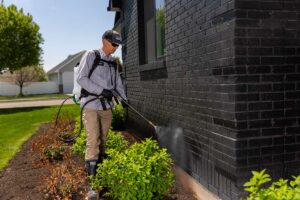



Maintaining outdoor spaces near the coast comes with unique challenges that many inland homeowners have never experienced. Coastal environments like those found throughout Long Beach Island often feature sandy soil, rock landscaping, shell beds, and paver walkways rather than traditional grass lawns. While these landscape styles are beautiful and low maintenance in many ways, they can create the perfect environment for weeds to grow.
Understanding why weeds behave differently in coastal areas can help homeowners manage vegetation more effectively and keep their properties looking clean and well maintained.
Coastal Landscapes Create Ideal Conditions for Weeds
Many coastal properties use decorative rocks, gravel, or shells as part of their landscaping. While these materials reduce the need for mowing and watering, they also create small gaps where wind-blown seeds can easily settle.
Because coastal areas often experience steady ocean breezes, seeds from surrounding vegetation can travel long distances before landing in these gaps. Once they settle between rocks, gravel, or pavers, weeds can quickly take root and begin spreading across the property.
Over time, even a few small weeds can multiply and become much more difficult to remove.
Sandy Soil Makes Weed Growth Easier
Another factor that makes coastal weed control different is the type of soil commonly found near the shore. Sandy soil drains water quickly and allows roots to grow easily beneath the surface.
This means weeds can often establish themselves faster than they would in heavier inland soil. Once the roots spread underground, simply pulling the weed from the surface may not eliminate the entire plant.
As a result, weeds may continue to return if the root system is not properly addressed.
Hardscape Areas Require Specialized Treatments
Traditional weed control methods designed for grass lawns often do not work as effectively in coastal landscapes. Areas with rocks, gravel driveways, shells, and pavers require targeted treatments that focus on the spaces where weeds actually grow.
Professional weed control treatments are designed to address these hardscape environments. By targeting weeds at their source and helping prevent new growth from developing, these treatments can keep outdoor spaces cleaner and easier to maintain.
Regular vegetation control can help prevent weeds from spreading across decorative landscaping and hardscape areas.
Preventing Weeds Before They Spread
The best time to manage weeds is early in the growing season before they have a chance to multiply. Once weeds begin spreading across rock beds, gravel areas, or paver walkways, they can become much more difficult to control.
Preventative treatments combined with seasonal vegetation management can help keep weeds from taking over your outdoor spaces. This approach helps homeowners maintain the clean appearance of their landscaping without the constant frustration of pulling weeds by hand.
Keep Your Property Looking Its Best
Coastal properties require a different approach to weed control, and professional treatments can help make managing vegetation much easier.
If weeds are starting to appear in your rocks, gravel, or pavers, Rock Doctor provides professional vegetation control services designed specifically for coastal landscapes. Contact us today to learn more about our weed control programs and keep your property looking clean and well maintained all season long.